Create a Wallet
Understand what a new wallet creates and what information must remain private.
Learn more →
A multi-chain wallet, blockchain network and Web3 knowledge hub from imtoken
Learn how to manage assets across networks, verify transfers and receipts, connect to DApps, review approvals, understand network mechanics and build safer wallet habits. imtoken keeps practical product guidance and blockchain knowledge in one place.
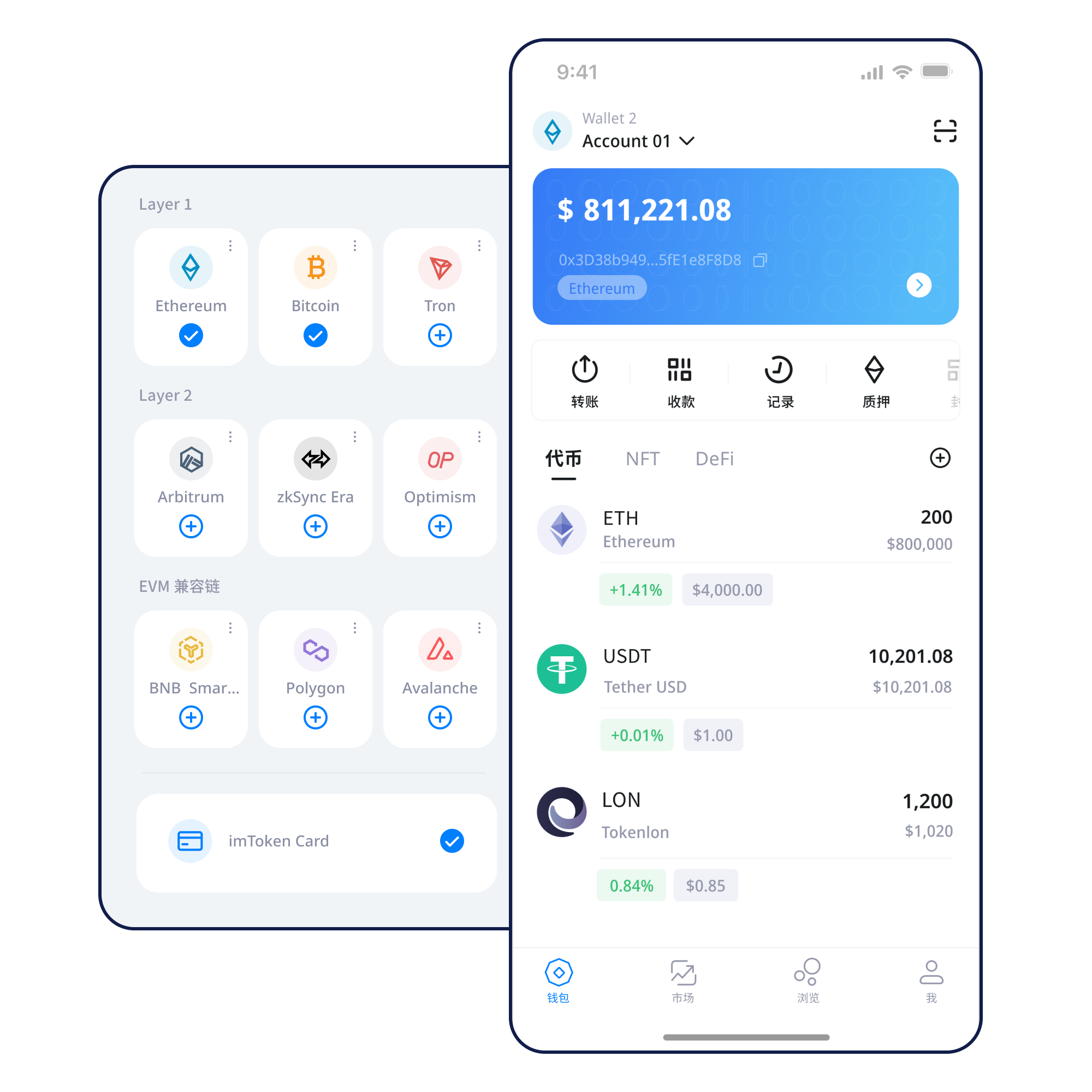
Use the workflow you need now, then move into deeper network and security knowledge.
Understand what a new wallet creates and what information must remain private.
Learn more →Keep the seed phrase offline and verify your backup without exposing it.
Learn more →Confirm the destination network and provide the matching address.
Learn more →Review address, network, amount and gas before submitting.
Learn more →Verify the domain, account request, signature and approval scope.
Learn more →View assets in their correct network context, understand address reuse and verify confirmations before assuming a transaction is final.
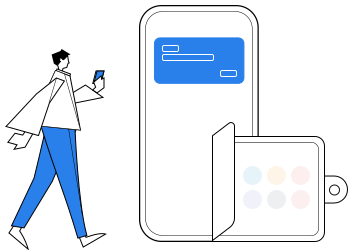
Check the receiving address, network, amount, gas and transaction hash.
Mobile access to network selection, balances, history and DApp workflows.
Browser connections should keep approval review and disconnect controls visible. A successful connection is never a reason to accept every request.
Learn about web connections →Keep seed phrases offline, protect private keys and review approval scope.
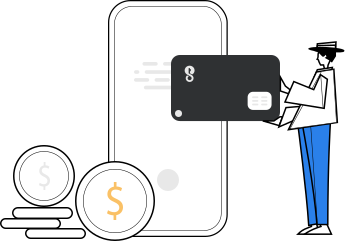
Network selection affects fees, contracts, confirmations and where a transaction can be verified.
Keep the active network explicit. Similar addresses do not make different chains interchangeable.
Explore the topic →Understand blocks, nodes and confirmations before relying on an interface status.
Explore the topic →
EVM networks share execution patterns while keeping separate chain IDs, gas assets and contract state.
Explore the topic →
Layer 2 systems extend base-layer capacity and may introduce bridging or settlement steps.
Explore the topic →
Gas pays for execution; confirmations show a transaction becoming established on the network.
Explore the topic →Use the official download entry and avoid unknown distribution links.
Understand whether you are generating a new wallet or restoring an existing one.
Keep the seed phrase offline and never send it to anyone.
Verify the network and fee asset before moving funds.
Check the address, network, amount and transaction request.
Use transaction hashes and periodically remove permissions you no longer need.
A wallet connection does not mean every later request should be approved. Review each action on its own merits.
Wallet security is not a single setting. It is a repeatable review process that follows wallet creation, backup, DApp connections, signatures, approvals and transfers. Keep seed phrases and private keys under your own control and preferably offline; never send them to anyone or enter them into an unfamiliar website. Verify the domain and network before connecting, read each signature request, inspect the spender and permission scope before approving, and check the address, network and amount again before sending. Public computers, public networks and remote-access tools can add risk. Review connections and approvals you no longer need. Because on-chain transactions usually cannot be reversed by a wallet alone, understand each request before confirming it.
Open Security Center →Start with addresses, seed phrases, private keys, networks, gas, transaction hashes, DApps and approvals. These concepts explain where control comes from and what must be verified before an action.
Read the guide →How blocks, nodes and confirmations establish public transaction state.
Why compatible networks still have separate gas, contracts and chain state.
Understand base-layer relationships, bridging and settlement.
Review spender, scope and whether a permission is still needed.
Build consistent checks for keys, devices, signatures and transfers.
Learn how PoS, validators, reward sources, network state, withdrawals and exits fit together.
Read basics →Rewards are not guaranteed. Validator penalties, contract risk, exit waiting, third-party risk and market volatility can all matter.
Learn about validators →Always confirm the destination network before sending or receiving assets.
Start from the clearly labeled download entry on this site and avoid unknown distribution pages.
imtoken support will not ask for seed phrases or private keys.
Rewards, exits, validator status and market conditions can change.